
Forex trading, or foreign exchange trading, involves buying and selling currencies in a global marketplace. It serves as the largest financial market in the world, with trillions of dollars traded daily. This article seeks to provide a comprehensive overview of forex trading tailored to audiences in the USA and India. Whether you are a beginner or an experienced trader, this guide will equip you with essential knowledge, tips, and strategies to navigate the forex market effectively.
What is Forex Trading?
Forex trading refers to the process of exchanging one currency for another. It functions on the principle of speculation, where traders aim to profit from changes in currency values. The forex market operates 24 hours a day, five days a week, providing ample opportunities for traders worldwide.
Key Features of the Forex Market
- 24/5 Operation: Forex markets are open 24 hours a day during weekdays, allowing traders from different time zones to participate.
- High Liquidity: With a daily trading volume exceeding $6 trillion, the forex market offers substantial liquidity, allowing for quick buy and sell transactions.
- Leverage: Traders can use leverage to control larger positions than their account balance, potentially increasing profits (and risks).
- Decentralized Nature: The forex market is decentralized, meaning that it does not have a centralized exchange. Instead, trading occurs over-the-counter (OTC) between various participants globally.
How Does Forex Trading Work?
Forex trading involves a pair of currencies, such as EUR/USD or USD/INR. The first currency in the pair is known as the ‘base currency’, while the second is the ‘quote currency’. Traders speculate whether the value of the base currency will rise or fall against the quote currency.
The process typically involves:
- Opening a trading account with a broker.
- Funding the account with the desired capital.
- Analyzing market trends and making informed trading decisions.
- Executing buy or sell orders based on the analysis.
- Managing trades and utilizing stop-loss orders to mitigate risks.
Forex Trading Strategies
Beginner Strategies
1. **Understanding Market Structure**:
Familiarize yourself with support and resistance levels, trends, and chart patterns.
2. **Demo Trading**:
Start with a demo account to practice without financial risk. This enables you to apply strategies in real market conditions.
3. **Risk Management**:
Never risk more than a fixed percentage of your trading capital on a single trade. A common recommendation is to limit risk to 1-2% per trade.
Advanced Strategies
1. **Technical Analysis**:
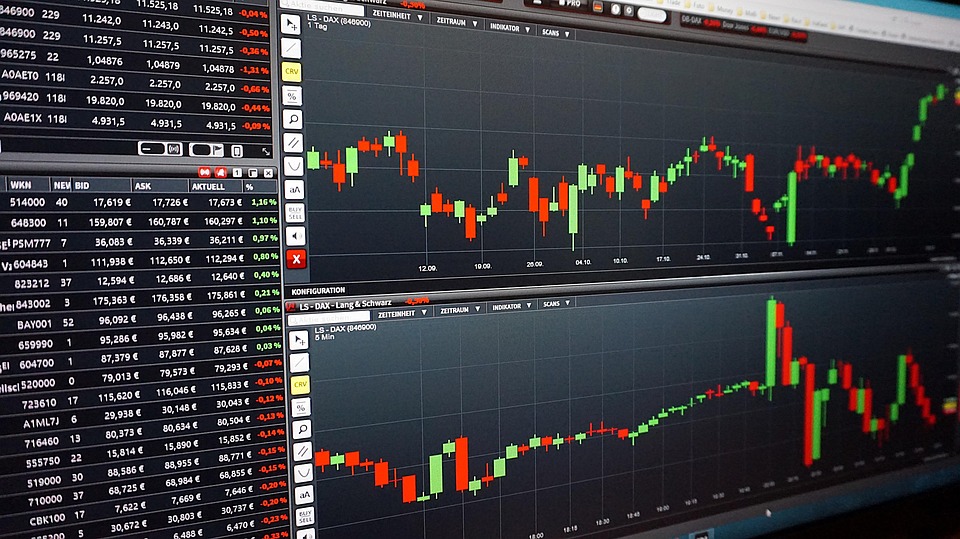
Utilize indicators, moving averages, and Fibonacci retracements to understand market trends. A common practice is using the Moving Average Convergence Divergence (MACD) indicator.
2. **Fundamental Analysis**:
Stay updated with economic news, reports, and geopolitical events that might affect currency values. Fundamental factors can strongly influence market movement.
3. **Scalping**:
This strategy involves making numerous trades within a day to exploit small price changes. Traders often rely on technical indicators for quick decisions.
Gold Trading in Forex
Gold trading has become increasingly popular in the forex market, serving as both an investment and a hedge against economic uncertainties. Traders can speculate on the price movements of gold using currency pairs, such as XAU/USD (gold against the US dollar).
Using MT5 for Forex and Gold Trading
MetaTrader 5 (MT5) is a powerful trading platform that offers advanced charting tools, multiple technical indicators, and automated trading features. Here’s how it can enhance your trading experience:
- Multiple Time Frames: View price movements over various time frames for deeper analysis.
- Algorithmic Trading: Create custom trading bots using the MQL5 programming language.
- Comprehensive Analysis: Access expert advisory tools and financial news directly on the platform.
Forex Trading Tips
- Stay Informed: Regularly follow news related to forex markets and economic events that can affect currency values.
- Keep a Trading Journal: Document your trades, strategies, and outcomes to learn from your experiences.
- Use Stop-Loss Orders: Protect your capital by setting stop-losses on every trade to manage risks effectively.
- Practice Patience: Avoid overtrading. Only enter trades when your analysis indicates a high probability of success.
- Join a Community: Collaborate with other traders. Share ideas and strategies on forums and social media.
Frequently Asked Questions (FAQs)
1. What is the best time to trade forex?
The best time to trade forex is during overlapping trading sessions, such as when the London and New York sessions overlap. This period usually sees the highest volatility and trading volume.
2. How much do I need to start trading forex?
You can start trading forex with very little capital, with some brokers allowing micro accounts of $100 or less. However, it is advisable to begin with an amount you can afford to lose.
3. Is forex trading risky?
Yes, forex trading carries significant risk due to market volatility and leverage. It is crucial for traders to implement effective risk management strategies.
4. Do I need to be a financial expert to trade forex?
No, you do not need to be a financial expert. However, understanding fundamental and technical analysis will enhance your trading capabilities.
5. Can I trade forex on my smartphone?
Yes, most brokers offer mobile trading apps that allow you to trade forex on your smartphone or tablet, making it convenient to monitor your trades anytime, anywhere.
Conclusion
Forex trading presents unique opportunities for profit and risk. By understanding the fundamentals, implementing effective strategies, and staying updated with market trends, traders in the USA and India can navigate the complexities of the forex market. Utilize tools such as MT5 for advanced trading capabilities and always prioritize risk management. Remember, the journey to becoming a successful forex trader requires continued learning and adaptation to changing market conditions.
Final Thoughts
Trading forex and gold involves risk. Always use proper risk management and test strategies on demo accounts before live trading.
Tags: forex trading, gold trading, mt5, trading strategy, xauusd