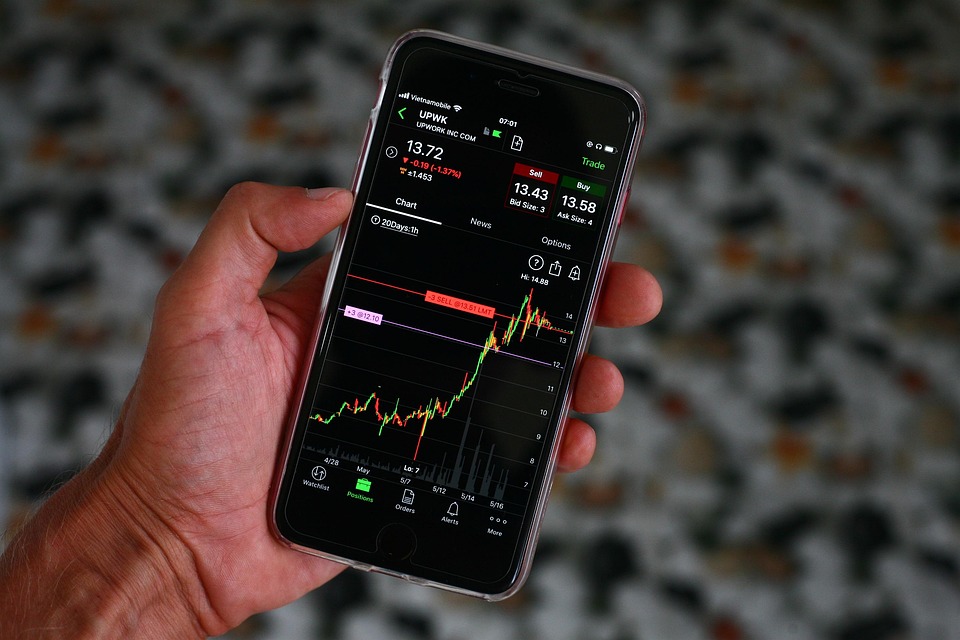

The Forex market is a vibrant and ever-changing landscape, presenting traders with opportunities and challenges alike. Understanding market conditions is pivotal to making informed trading decisions, and Forex indicators play a vital role in this analytical process. Whether you’re a beginner or an experienced trader, knowing which indicators to use can significantly impact your trading success.
Understanding Forex Indicators
Forex indicators are statistical calculations based on historical price data that help traders forecast market trends. They can be categorized into three main types:
- Leading Indicators: These provide signals before a new trend begins, often used for predicting market reversals.
- Lagging Indicators: These indicators follow price action, providing confirmations of ongoing trends.
- Sentiment Indicators: These reflect the mood of the market participants and can indicate potential reversals based on prevailing sentiments.
Top Forex Indicators for Traders
Whether you’re trading in the U.S. or India, some indicators are universally useful across different Forex markets. Here is a list of some of the best Forex indicators:
1. Moving Averages (MA)
Moving Averages are essential in identifying trends over a specified period. Traders often use the Simple Moving Average (SMA) and Exponential Moving Average (EMA) to gauge overall market direction.
- Use Case: Determine support and resistance levels.
- Trading Strategy: Buy when the shorter MA crosses above the longer MA (Golden Cross) and sell when the opposite occurs (Death Cross).
2. Relative Strength Index (RSI)
The RSI measures the speed and change of price movements, helping traders identify overbought or oversold conditions.
- Use Case: Identify reversal points in price trends.
- Trading Strategy: Look for buy signals when the RSI is below 30 (oversold) and sell signals when it exceeds 70 (overbought).
3. Bollinger Bands
Bollinger Bands consist of a middle band (SMA) and two outer bands that represent volatility. Traders can use them to identify potential entry and exit points.
- Use Case: Signal potential price breakouts.
- Trading Strategy: Consider buying when the price touches the lower band and selling when it reaches the upper band.
4. MACD (Moving Average Convergence Divergence)
MACD is a trend-following momentum indicator that shows the relationship between two moving averages of a security’s price.
- Use Case: Identify potential buy and sell opportunities.
- Trading Strategy: Use the MACD crossover – when the MACD line crosses above the signal line, it’s a buy signal; when it crosses below, it’s a sell signal.
5. Fibonacci Retracement
Fibonacci retracement levels indicate potential support and resistance areas based on the key Fibonacci numbers.
- Use Case: Identify potential reversal levels following price corrections.
- Trading Strategy: Place orders around the key retracement levels of 23.6%, 38.2%, 50%, 61.8%, and 100%.
Forex Trading Tips for Beginners and Advanced Traders
Regardless of your trading experience, here are some essential tips to enhance your Forex trading journey:
For Beginners
- Start with a Demo Account: Practicing on a demo account can help you understand trading dynamics without risking real money.
- Learn continuously: Forex markets are constantly changing. Stay updated with market news and educational resources.
- Manage Risk: Never risk more than you can afford to lose. Use stop-loss orders to protect your capital.
For Advanced Traders
- Utilize Advanced Strategies: Consider employing strategies such as grid trading or scalping for potentially higher returns.
- Integrate Multiple Indicators: Use a combination of indicators for more reliable signals and to confirm trends.
- Analyze Different Time Frames: Consider multiple time frames for a comprehensive view of market conditions.
Gold Trading Insights
Gold is a significant trading asset in the Forex market, especially in uncertain economic times. When trading gold, consider using indicators like RSI and moving averages to find optimal trading points.
- Market Influences: Pay attention to global economic conditions, inflation rates, and U.S. dollar strength, as they heavily impact gold prices.
- Technical Analysis: Use chart patterns and candlestick analysis to forecast future price movements.
MT5: The Platform for Professional Traders
MetaTrader 5 (MT5) is a powerful trading platform that offers advanced trading tools and capabilities, making it a preferred choice among traders. MT5 supports a variety of technical indicators, including those mentioned above, allowing seamless integration into trading strategies.
- Multiple Timeframe Analysis: MT5 allows traders to view charts in various time frames, enhancing decision-making.
- Algorithmic Trading: Utilize Expert Advisors (EAs) for automated trading strategies based on your predefined criteria.
Frequently Asked Questions (FAQ)
1. What are Forex indicators?
Forex indicators are statistical tools used to analyze market conditions and identify potential trading opportunities based on past price movements.
2. How do I choose the right Forex indicator?
Choosing the right indicator depends on your trading style and goals. Beginners may start with RSI and moving averages, while advanced traders might opt for a combination of multiple indicators.
3. Can I rely solely on indicators for trading decisions?
While indicators provide valuable insights, it’s essential to combine them with other forms of analysis, such as fundamental analysis and market news, for well-rounded decision-making.
4. Is Forex trading risk-free?
No, Forex trading involves significant risks. It’s crucial to manage your risk effectively and only trade with funds you can afford to lose.
5. Can I trade gold using the same Forex indicators?
Yes, many Forex indicators can be applied to gold trading. It’s essential to consider market-specific factors that influence gold prices, such as economic data and geopolitical events.
Conclusion
Utilizing Forex indicators effectively can provide invaluable insights into market trends and enhance your trading strategies. As a trader, whether you’re just starting or have years of experience, comprehension of these indicators can significantly improve your analysis and decision-making process. Always remember that practice, continuous learning, and effective risk management are key to becoming a successful trader in the dynamic world of Forex.
Final Thoughts
Trading forex and gold involves risk. Always use proper risk management and test strategies on demo accounts before live trading.
Tags: forex trading, gold trading, mt5, trading strategy, xauusd